- A new report delineates 816 areas of the ocean that should be protected to help shark and ray populations recover following decades of overfishing.
- The areas, each of which hosts key activities such as reproduction for at least one threatened shark or ray species, are visible on an online atlas open to the public.
- The ISRAs don’t take up all that much of the ocean’s surface: less than 3% for the nine regions where research has been completed, which shows how achievable conservation of sharks and rays is, the lead author said.
- The report was released ahead of a major meeting of the parties of the Convention on the Conservation of Migratory Species (CMS), a United Nations treaty, in Brazil in March, where area-based management decisions for marine species are on the agenda.
Shark and ray populations are struggling across the world due to overfishing and other threats. A new report delineates 816 areas of the ocean that should be protected to help them recover.
The report “Ocean Travellers” was published in December by the IUCN, the global wildlife conservation authority, but wasn’t publicly announced until Jan. 14. Almost all of the 816 areas, known as Important Shark and Ray Areas (ISRAs), host key activities, such as reproduction, for at least one threatened shark or ray species. They’re visible on an online atlas open to the public.
Until recently, sharks and rays haven’t been a conservation priority, but the “conversation is changing,” according to Rima Jabado, chair of the IUCN’s Shark Specialist Group, which produced the report to help guide policy decisions.
“We want to change the narrative, but to do that, we need the data, and this is the core of this project,” Jabado told Mongabay. “We’re doing the work for the government, so they don’t need to do it.”
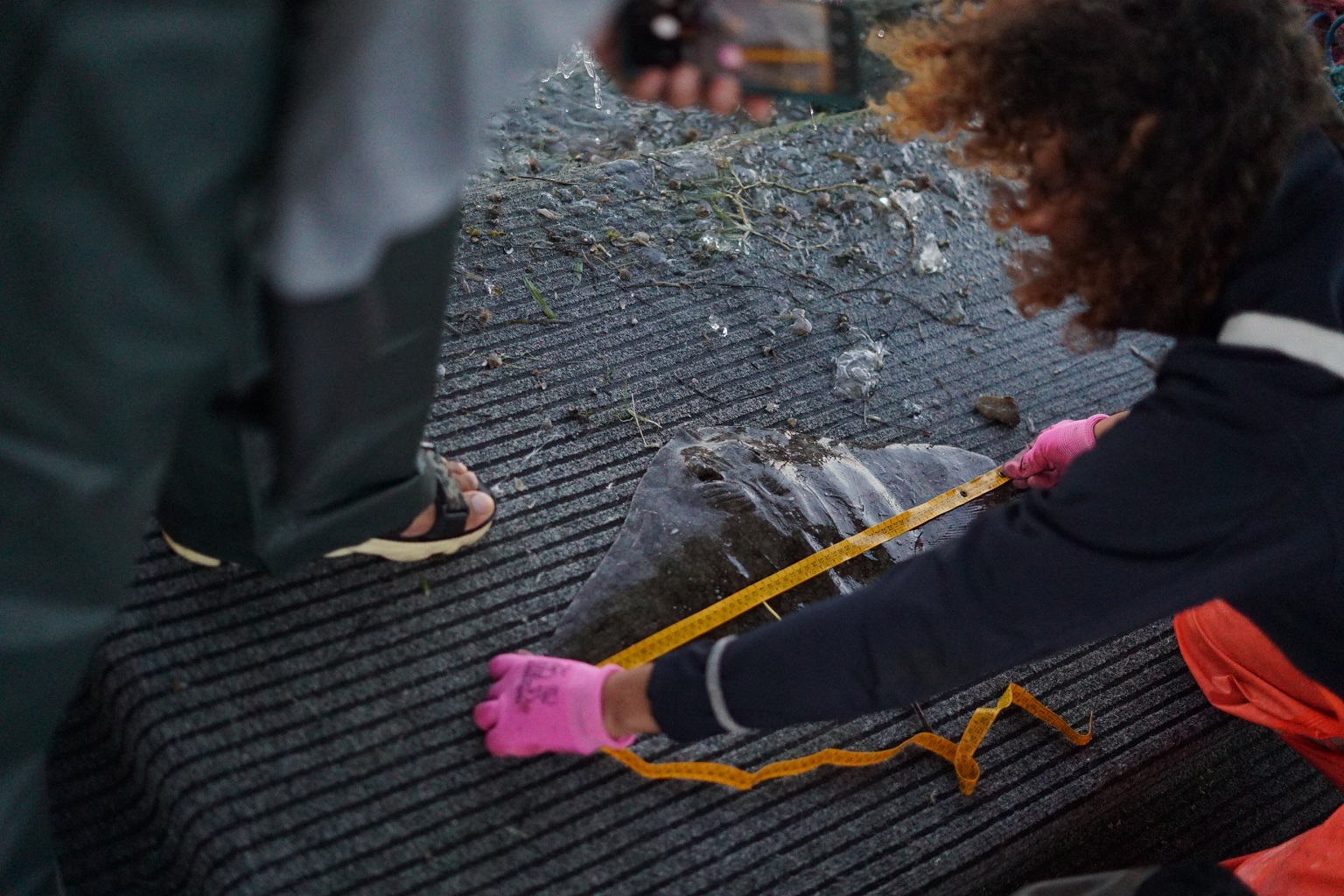
The ISRA initiative exists alongside similar efforts by the IUCN and other institutions to designate “important areas” for marine mammals, marine turtles and birds. The Convention on Biological Diversity (CBD), a United Nations treaty, also has a map of Ecologically or Biologically Significant Marine Areas, chosen on the basis of many factors including biological diversity. Jabado said all of this work could one day dovetail.
“Eventually what that’s going to give us is a global map where we can overlay all of these areas, and you can tell the government: ‘This is your biggest bang for your buck in terms of protecting an area for biodiversity,’” Jabado said.
Sharks and rays are in need of special conservation attention, as they “aren’t doing well at all,” Jabado said. A 2021 study in the journal Nature found that the global abundance of 31 oceanic sharks and rays that it assessed had fallen by more than 70% since 1970, due primarily to overfishing, and called for “strict” conservation measures. Jabado cited the example of the endangered and slow-maturing shortfin mako shark (Isurus oxyrinchus), saying that even if mortality from fishing dropped to zero today, its North Atlantic population would take many decades to recover.
The ISRA project launched in 2021, and released some work on the Central and South American Atlantic region in 2023. The recent ISRA report is the most in-depth one to date. It covers nine of 13 ocean regions; research on the remaining four will be released later this year, Jabado said. The group released the report before the global map was completely finished in order to have it out before a major meeting of parties to the Convention on the Conservation of Migratory Species (CMS), another U.N. treaty, in Brazil in March. Area-based management decisions for marine species are on the agenda.
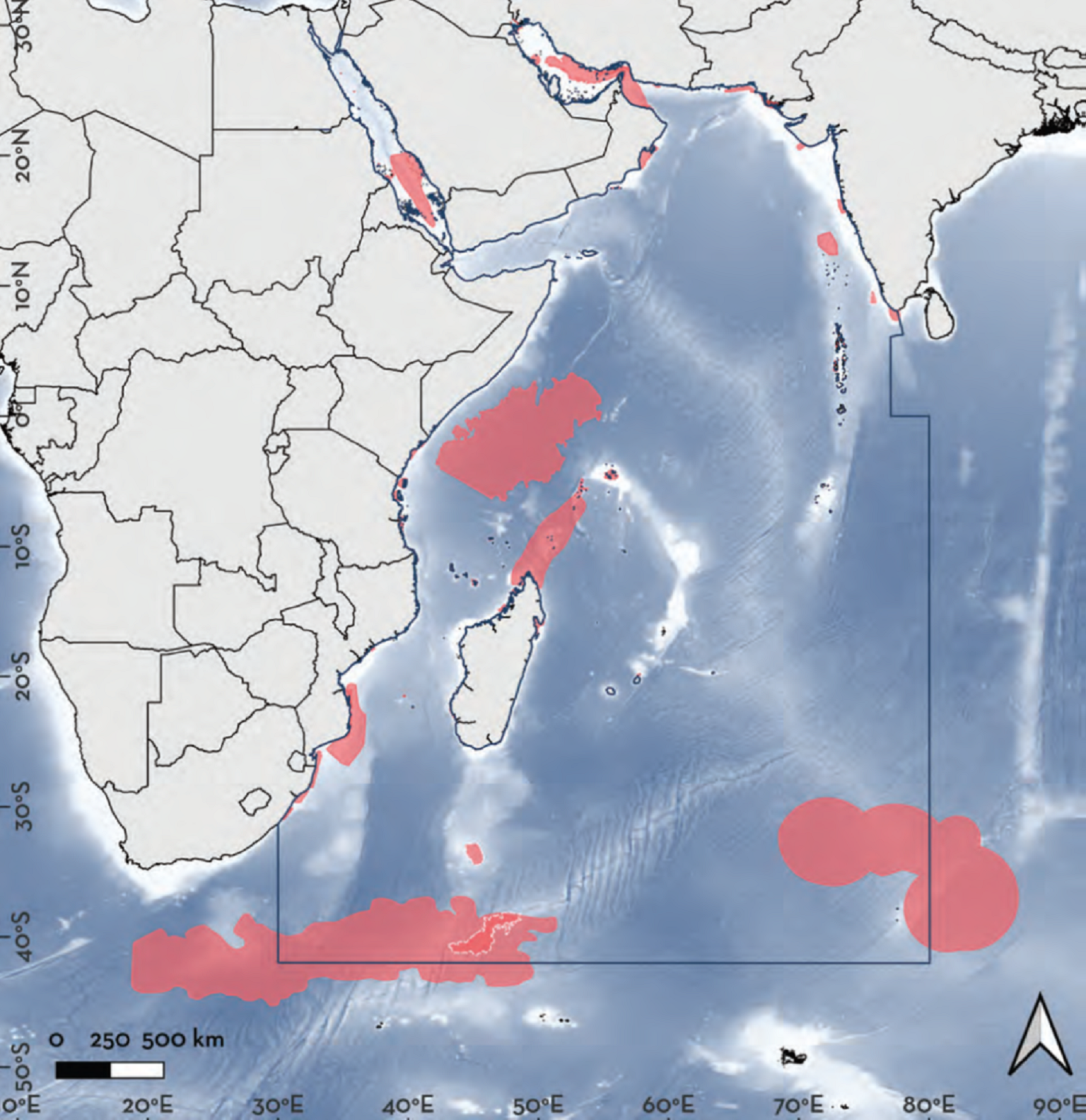
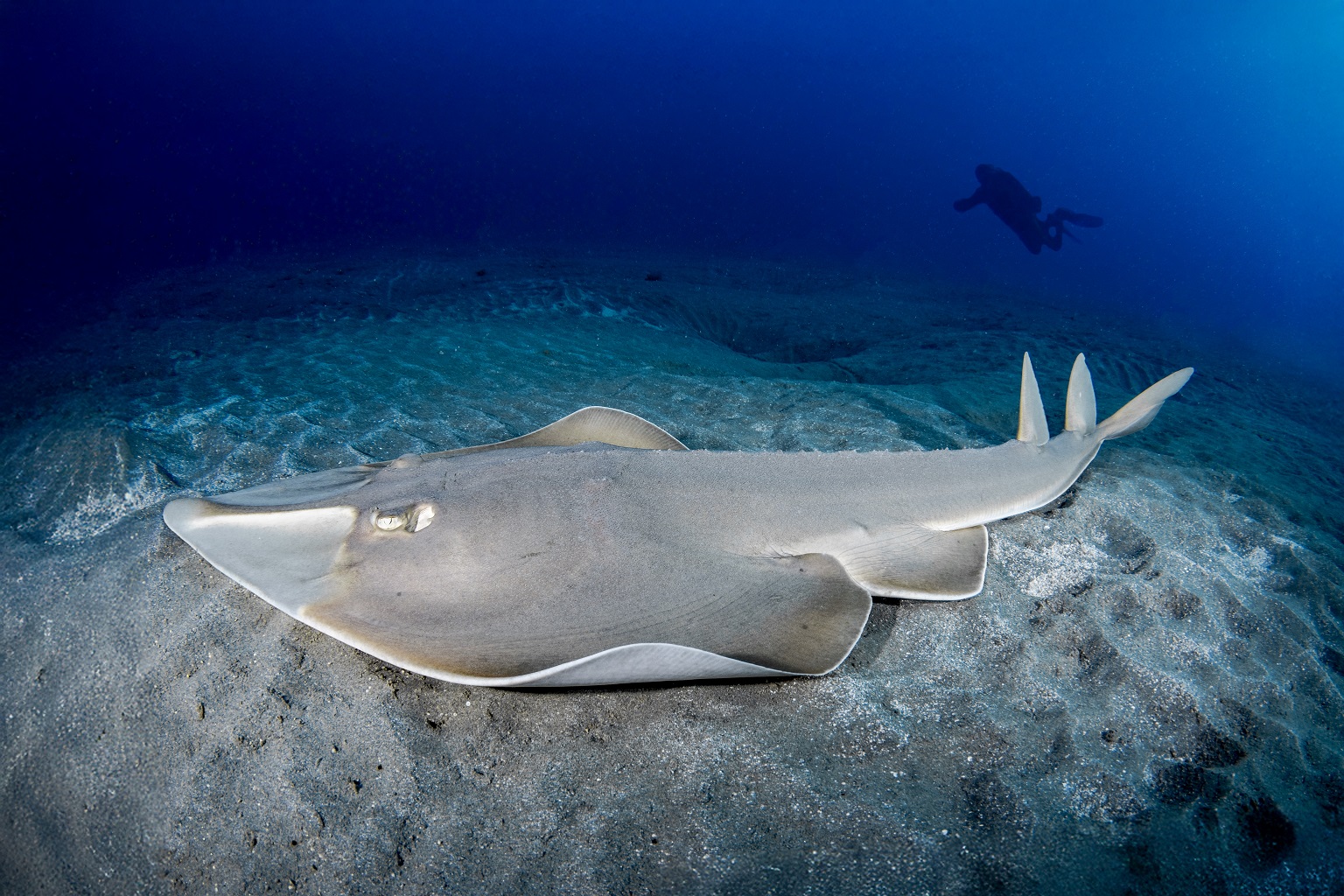
Jabado’s group chose ISRAs based on the reproduction, feeding, aggregation and migration patterns of sharks and rays. The 816 areas serve the needs of 327 shark and ray species, and the report focuses on all 42 of those species that have legal protection under the CMS or a related agreement. These include, for example, all five species of sawfish (family Pristidae), which are critically endangered. One is the green sawfish (Pristis zijsron), for which the report designates three ISRAs in and around the Red Sea off Sudan.
The Western Indian Ocean has one of only two extant green sawfish populations and only about one animal is seen there every five to 10 years, Jabado said. She said governments need to prioritize protecting ISRAs, like the three for the green sawfish, “if we want to make sure a species doesn’t go extinct.”
The ISRAs come in widely varying shapes and sizes. The Maldives, an archipelagic nation in the Indian Ocean, is home to 27 small ISRAs. Meanwhile, an ISRA south of Hawai‘i in the Pacific Ocean, designated on behalf of vulnerable bigeye thresher sharks (Alopias superciliosus), covers an area roughly the size of Colombia.
The data undergirding the ISRA effort is limited by research biases, Jabado said. Charismatic species such as manta and devil rays (genus Mobula) and whale sharks (Rhincodon typus) are subject to far more research than small, nonmigratory and deepwater species. The online atlas also includes “areas of interest” that Jabado’s team has determined are important sites for future shark and ray research.
ISRAs convey no protections on their own: They’re a policy tool to encourage managers to establish conservation measures. Currently, only a tiny fraction of ISRAs appear to overlap with strictly protected marine protected areas (MPAs). In the Western Indian Ocean, for example, only 1.2% of ISRAs overlapped with “no-take” MPAs that prohibit fishing, according to a new study in the journal Ecology and Evolution by Jabado and other members of the IUCN Shark Specialist Group.
The aim is for national, regional and international actors to use ISRAs in making management decisions. Governments could implement protections in their own exclusive economic zones and through both the CMS and CBD, which has set a “30×30” target of protecting 30% of land and sea by 2030. They could also do so through regional fisheries management organizations, which are multilateral bodies that manage fishing primarily in international waters, and through the newly enacted Agreement on Marine Biological Diversity of Areas Beyond National Jurisdiction, an international treaty that’s expected to facilitate the creation of MPAs and other conservation areas in international waters.
The ISRAs don’t take up all that much of the ocean’s surface: less than 3% for the nine regions where the team completed research, Jabado said. That shows how achievable conservation of sharks and rays is, she said.
Iris Ziegler, the head of fisheries policy at the German Ocean Foundation, who wasn’t involved with the report, said the ISRA work by the IUCN was “scientifically strong.”
“[H]opefully this report will help support the call for action,” she told Mongabay in a text message, referring to an international campaign to stop shark and ray extinction that launched at the United Nations Ocean Conference in France in June 2025.
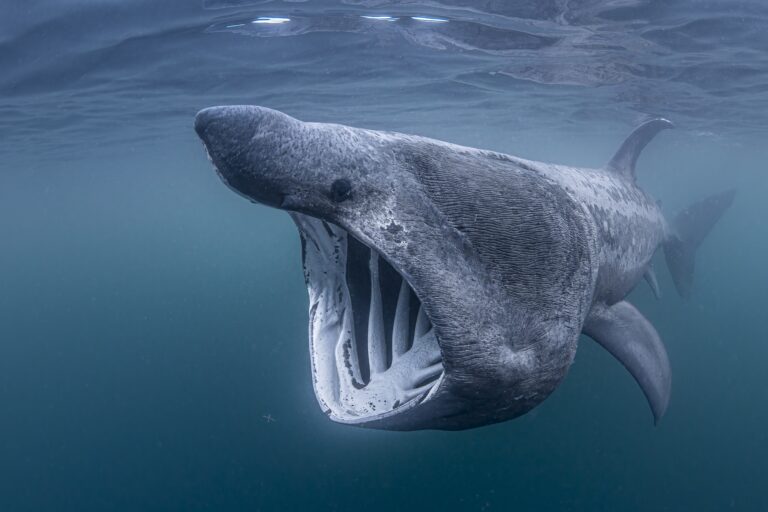
Banner image: A basking shark (Cetorhinus maximus), an endangered species, photographed along the Inner Hebrides island chain in Scotland, which is within a designated ISRA. Image courtesy of Lars von Ritter Zahony/Ocean Image Bank.
Citations:
Pacoureau, N., Rigby, C. L., Kyne, P. M., Sherley, R. B., Winker, H., Carlson, J. K., … Dulvy, N. K. (2021). Half a century of global decline in oceanic sharks and rays. Nature, 589(7843), 567-571. doi:10.1038/s41586-020-03173-9
Cochran, J. E., Charles, R., Temple, A. J., Kyne, P. M., García‐Rodríguez, E., Gonzalez‐Pestana, A., … Jabado, R. W. (2026). Only one percent of Important Shark and Ray Areas in the Western Indian Ocean are fully protected from fishing pressure. Ecology and Evolution, 16(1), e72690. doi:10.1002/ece3.72690
Feedback: Use this form to send a message to the author of this post. If you want to post a public comment, you can do that at the bottom of the page.
