
Oily skin is a concern that plagues so many of us with overly shiny and greasy faces, or worst, noticeable acne breakouts that keep coming back. The sticky, oily substance—or sebum—is produced by middle layers of your face’s skin called the sebaceous glands.
Excessively washing to rid your face of sebum may seem like the logical thing to do, but by doing so, you could cause other issues. Dr. Stacey Tull, MD MPH dermatologist and owner of St. Charles County Dermatologic Surgery, tells Men’s Health, “Washing your face too much can result in your skin trying to produce excess oil to compensate.” She adds, “It also removes the skin’s natural protection (sebum) that combats inflammation and bacteria while supplying antioxidants to guard the skin’s cells.”
1. Cleanse
Your first and most important step to defeating oily skin is to wash your face with a cleanser at least twice daily. Do so once in the morning to wash away the oils and shedding skin cells your face produced while you were asleep; and again in the evening before going to bed to wash off the unwanted dirt and grime collected throughout the day.
In addition to the cleansing twice daily, there are times where another face wash is needed, according to dermatologist Dr. Maya Thosani, MD, FAAD. “If you are cleansing at the sink after an exercise workout, or a sweaty day on the job, you may want to consider a double cleanse step,” which is cleansing your face twice — once with an oil-based product, then followed by a water-based cleanser. This step, Dr. Thosani adds, “can be essential to getting near the hairline, behind the ears, and the back of the neck.”
Dr. Thosani recommends water-based PanOxyl Acne Foaming Wash or Neutrogena Ultra Gentle Daily Cleanser for Sensitive Skin.
Dr. Tull recommends using an exfoliating cleanser. Her choice is SkinMedica AHA/BHA Exfoliating Cleanser.
Shop the Best Face Wash for Oily Skin
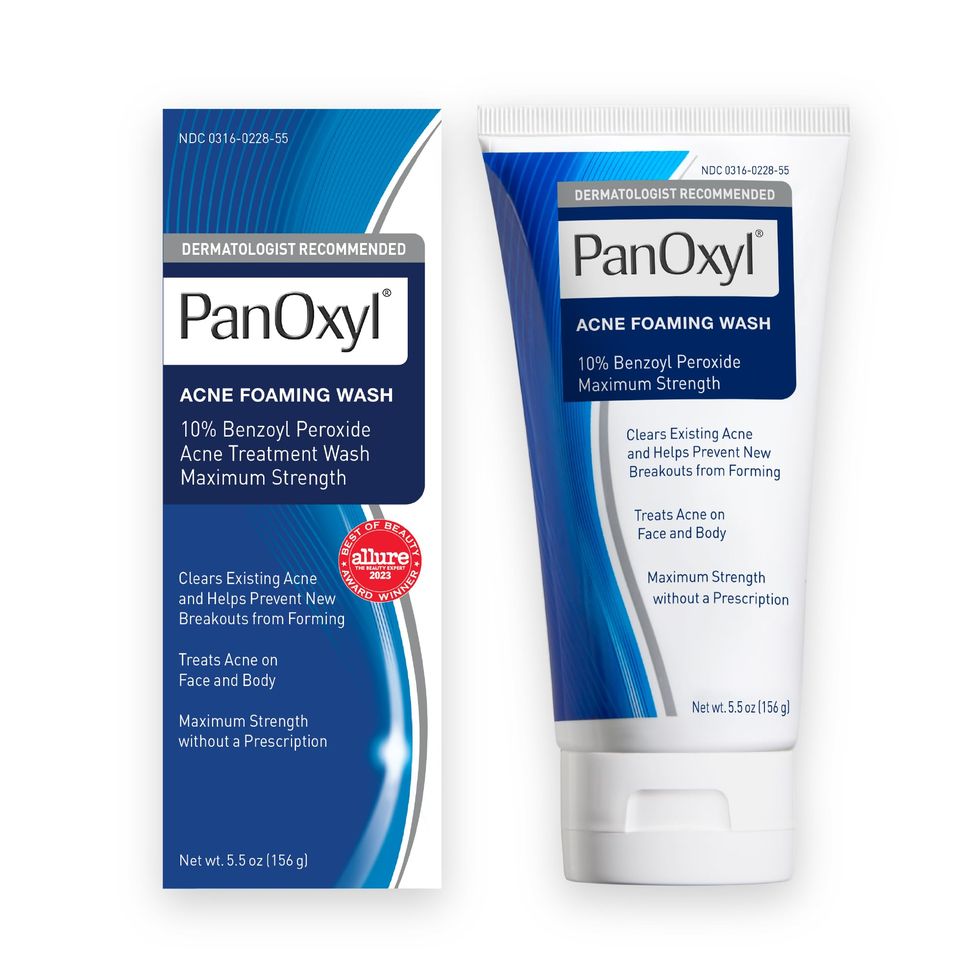
PanOxyl Acne Foaming Wash

Neutrogena Ultra Gentle Daily Facial Cleanser

SkinMedica AHA/BHA Exfoliating Cleanser
2. Use a Toner
After washing off the oils, dirt and grime from your face with a cleanser, a toner will finish the job by taking care of any left-over gunk. Dermatologists warn of potential damage from overusing toners. If you begin to experience dryness, redness, or irritation, cut down the frequency to every other day or even less often than that.
Dr. Tull recommends using toners that are alcohol free. “When we apply alcohol to our face, it tricks the skin into thinking that it needs to produce more oil and it becomes a vicious cycle that leaves you with much oiler skin than before.”
You also want to consider a toner that contains salicylic acid, which is a beta hydroxy acid. “Beta hydroxy acids are better suited for oily skin,” according to Dr. Tull. Alpha hydroxy acids, such as glycolic acid or lactic acid, “are better for dry/sensitive skin types.”
Pau